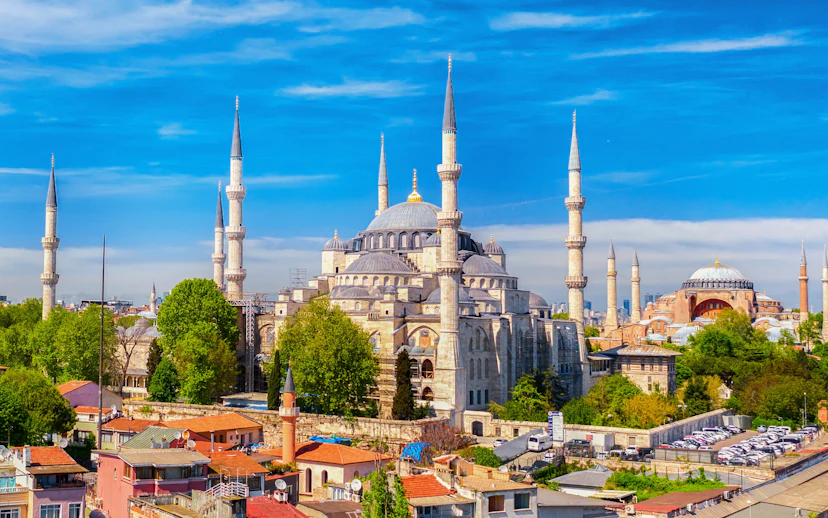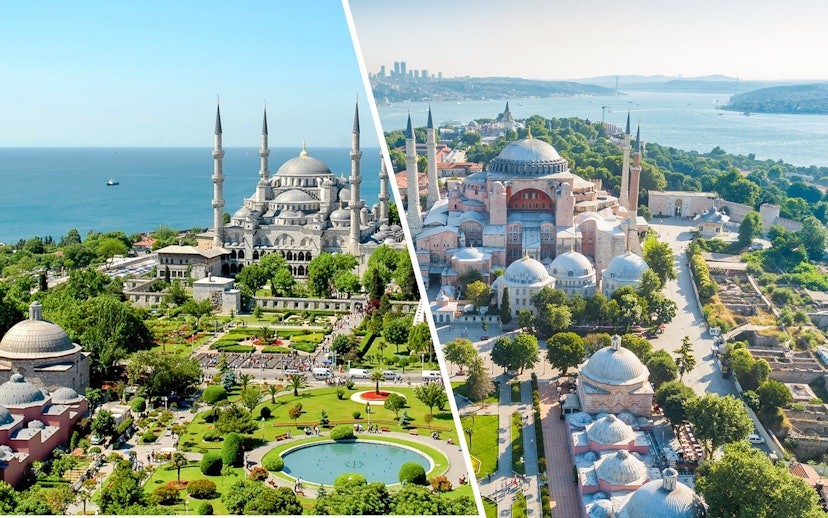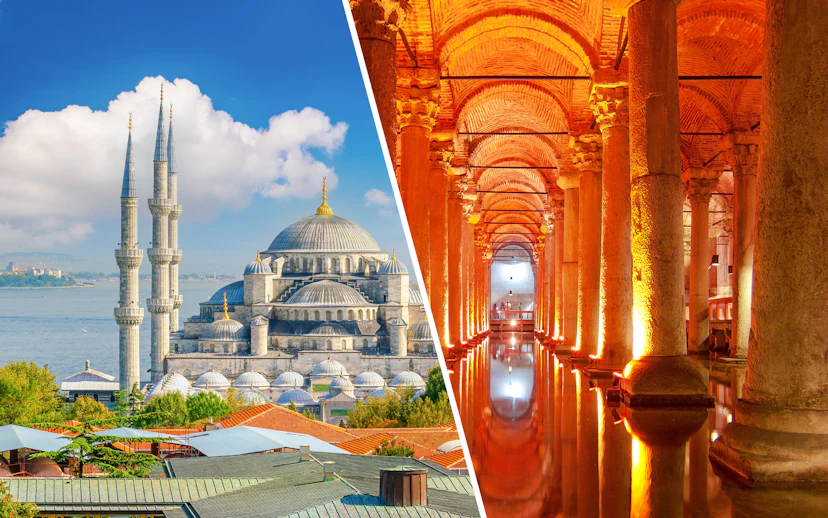


Blue Mosque Tickets
Blue Mosque

Sultan Ahmed Tomb Tickets

Included with Blue Mosque tickets

Timings

RECOMMENDED DURATION

2 hours
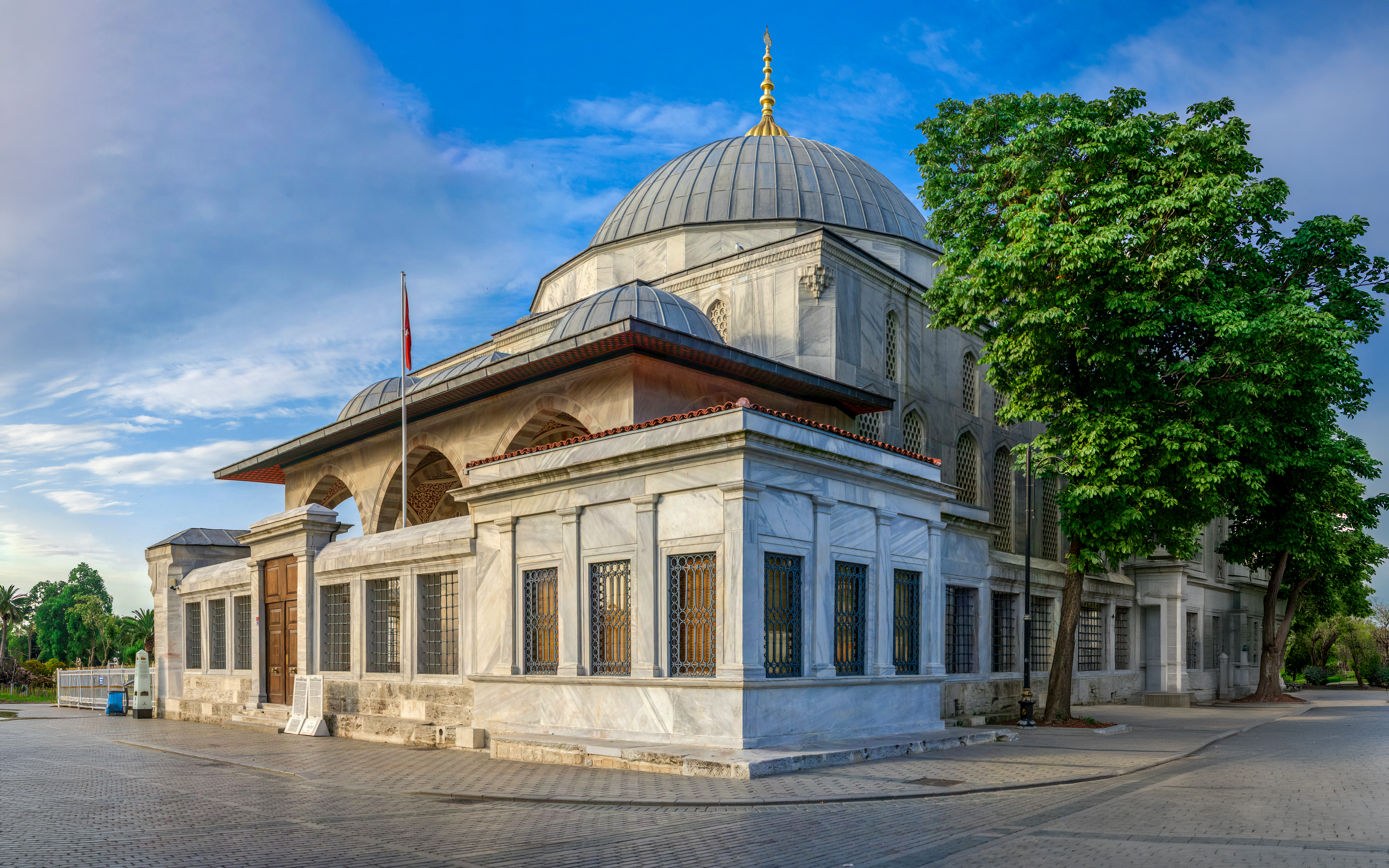
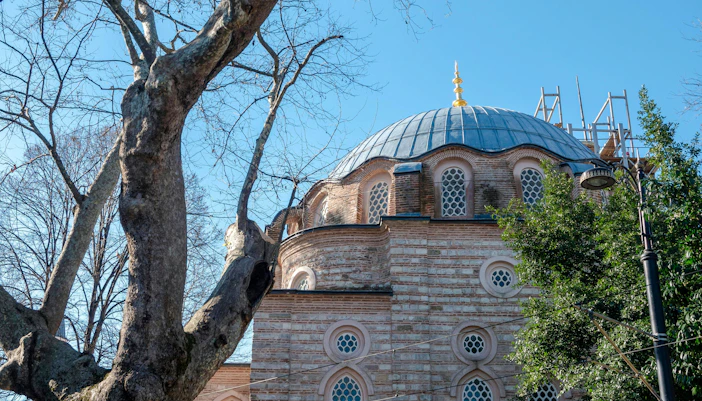
Tomb of Sultan Ahmad with domed roof and trees in Istanbul, Turkey.

Top things to do in Istanbul

Quick overview
Access:Included in all tickets (Entry is entirely free)
When you'll see it: Located directly beside the north side of the Blue Mosque/Sultanahmet Park
Visit duration: 10–15 mins self-guided
Best time: Early morning or late afternoon to avoid peak crowds
Restrictions: Strict Islamic dress code (shoes removed; women must cover heads)

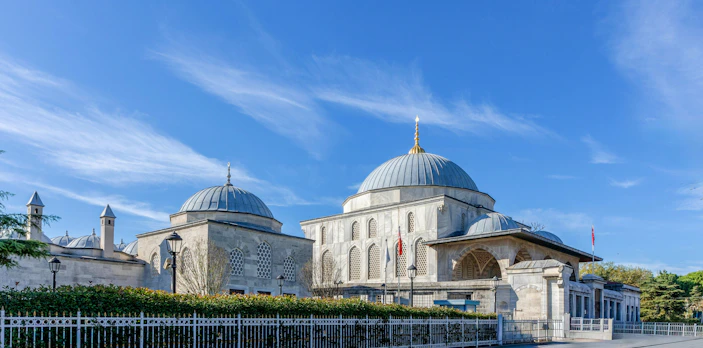
Tomb of Sultan Ahmad with domes and intricate architecture in Istanbul, Turkey.

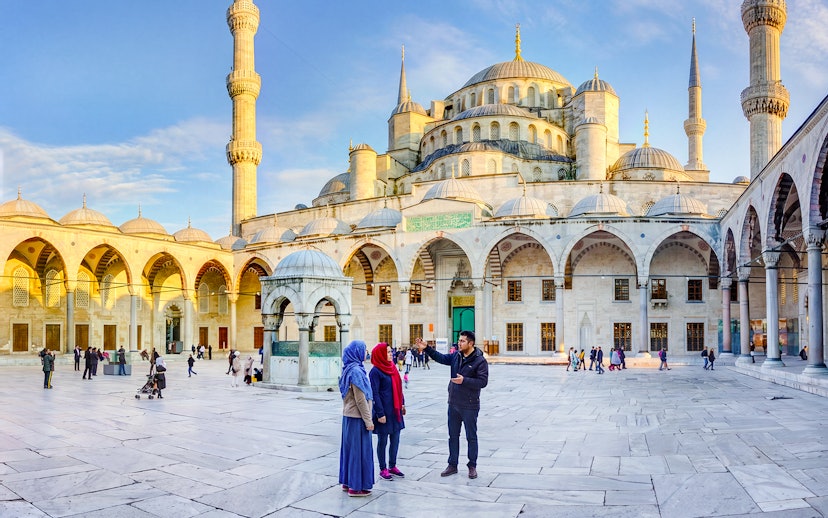
The Sultan Ahmed Tomb is included with all Blue Mosque visits, and no separate ticket is needed. It sits within the outer Blue Mosque complex rather than inside the main prayer hall, so you usually see it before or after the mosque depending on that day’s visitor route and prayer schedule. Book a Blue Mosque guided tour or Sultanahmet combo if you want the tomb explained clearly without losing time around prayer pauses.

How to best experience Sultan Ahmed Tomb
Best time to visit
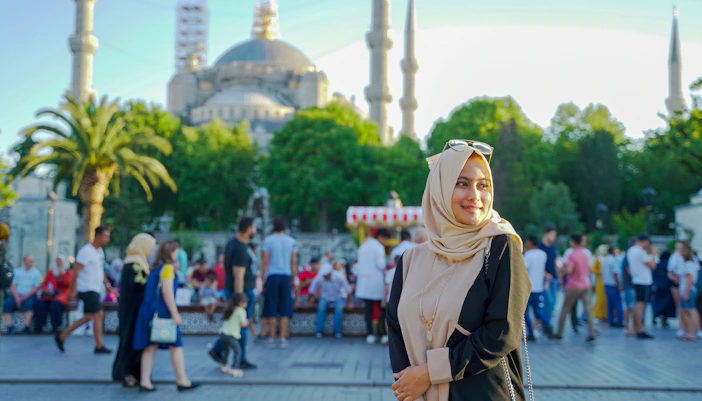
Aim for the first visitor window on a weekday morning, or the late-afternoon reopening after prayer breaks. Late morning is busier as Sultanahmet tours stack up around the Blue Mosque. If you want a quieter chamber, don’t arrive at the late-morning peak.

How long to spend

Allow 10–15 minutes if you’re visiting independently, or 15–20 minutes with a guide. That is enough time to read the room rather than just glance at the graves. If you spend less than 10 minutes here, it becomes a box-check.

Where it fits in your itinerary

Treat the tomb as a short reflective stop within your wider Blue Mosque visit, not as a separate outing. Most visitors reach it after crossing Sultanahmet Square and clearing mosque security. Leave buffer time so a prayer pause doesn’t force you to rush.

Crowd patterns

Crowds build most noticeably from 11am–2pm, when Blue Mosque visitors, walking tours, and day-trippers overlap in the square. Fridays are especially stop-start around noon prayers. If you want calm rather than queueing and compression, avoid that band.

What to prioritize if time is short

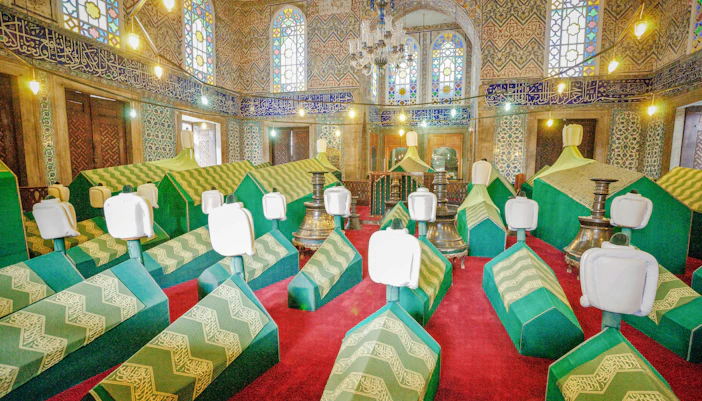
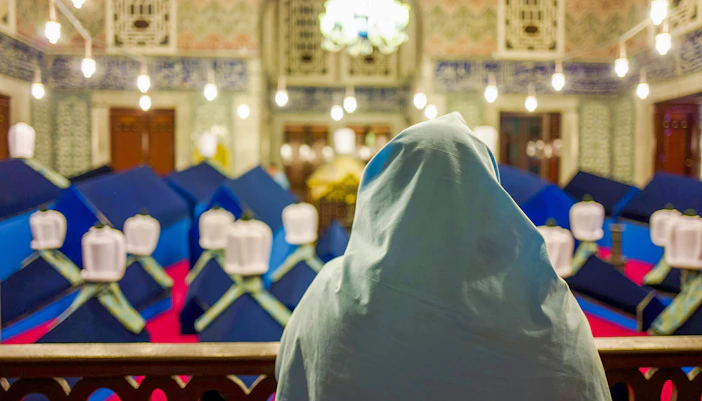
Go first to Sultan Ahmed I’s central cenotaph, then scan the wall decoration and the smaller family burials around the edge. The chamber is compact, so standing still works better than circling quickly. If you rush, the room’s dynastic story disappears.

Common mistakes to avoid

Many visitors leave with only a vague impression because they enter straight from the prayer hall and keep moving. Lower your voice, pause in the center, and look outward in layers. If you only photograph the nearest tomb, you miss the room’s structure.

Best tickets to experience Sultan Ahmed Tomb

Ticket typeWhy choose it

Guided tour

Best if you want the tomb connected to the mosque’s founder, design, and prayer rhythm without piecing it together alone.

Combo Old City tour

Good for tight schedules; you see the tomb within a logical Sultanahmet route instead of doubling back later.

City pass with guided Blue Mosque visit

Useful if you’re also covering Hagia Sophia, Topkapi Palace, or Basilica Cistern over 1–3 days.

Why it’s worth seeing

What makes the Sultan Ahmed Tomb worth your time is that it turns the Blue Mosque from a beautiful landmark into a personal dynastic story: the founder is buried steps from the sanctuary he commissioned. Many visitors walk past without realizing the mausoleum reframes the whole complex. Once inside, focus on three things that explain the room quickly — the central burial, the decoration, and the ring of family tombs.

Sultan Ahmed I’s cenotaph

Start at the central burial, where the founder’s presence turns the mosque from monument into memory. Stand in the middle of the chamber first, then read outward. If you begin at the edges, the room feels more scattered than it really is.

Tile and calligraphy bands

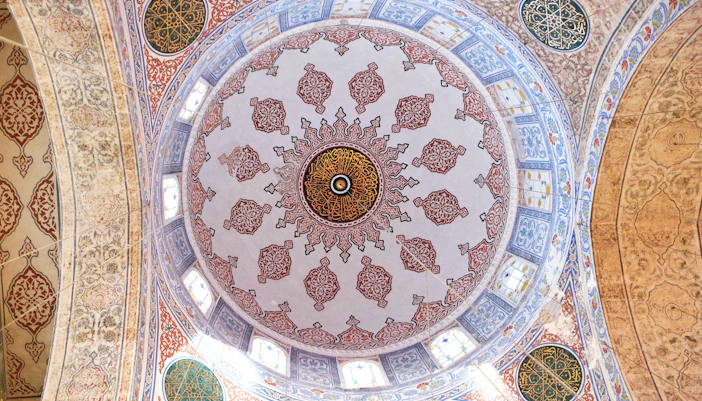
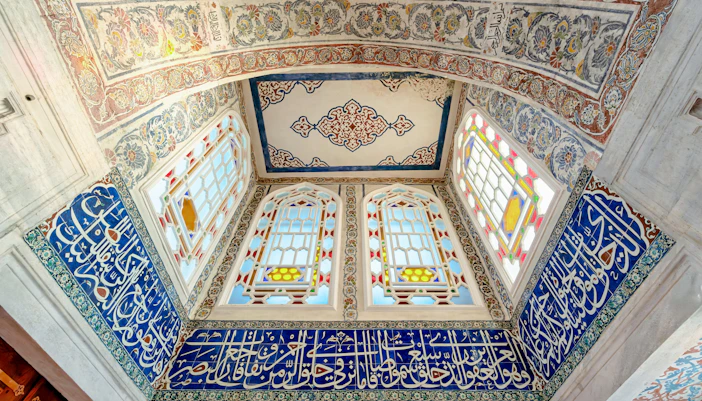
Look along the lower wall panels and then upward to the inscription bands instead of focusing only on the graves. The decoration shows this is both a devotional and a memorial space. Read walls and burials together, and the chamber makes sense faster.

Family tombs around the edges

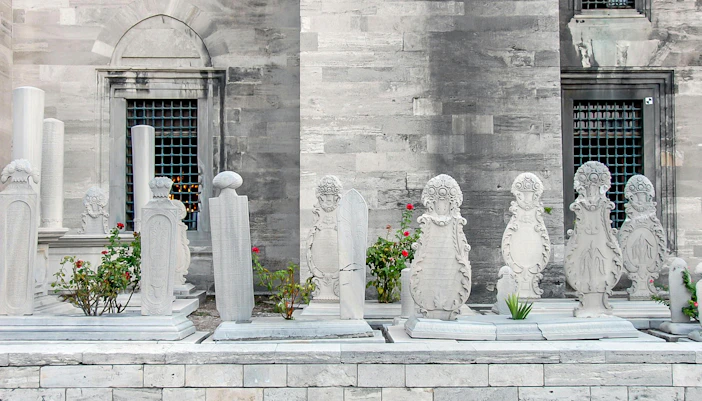
The smaller burials around the perimeter show that this is not a single grave but an Ottoman family memorial. Walk the outer edge once, then return to the center. That simple change of position makes the chamber’s hierarchy much clearer.

Historical and cultural significance

Sultan Ahmed I died in 1617, only a year after the Blue Mosque opened, so his tomb turned the complex into both an imperial mosque and a dynastic memorial almost immediately. For more than 400 years, worshippers and visitors have encountered the founder’s burial beside an active place of prayer, which changes the complex from architecture alone into lived Ottoman memory.

👉 Explore the full history of the Blue Mosque

Notable figures

Sultan Ahmed I | Ottoman sultan

Commissioned the Blue Mosque and is buried in the tomb beside it.

Know more

Sedefkar Mehmed Agha | Architect

Designed the mosque complex with its six minarets and cascading domes.

Know more

Seyyid Kasim Gubari | Calligrapher

Created monumental inscriptions that shape the Blue Mosque’s interior atmosphere.

Know more

Know before you go

  • Visitor hours: The Blue Mosque complex is generally open to visitors from around 9am until early evening, with shorter winter hours.
  • Prayer pauses: Non-worship visits pause during the 5 daily prayers.
  • Friday access: Tourist entry usually resumes after the noon congregation, often after 2pm.
  • Tomb access: The mausoleum follows the complex’s religious rhythm and can pause or redirect visitors on busy days.

Address: Sultan Ahmet, Atmeydani Cd., 34122 Fatih, Istanbul.

  • Nearest tram: Sultanahmet stop on the T1 line, around a 5-minute walk to the mosque complex.
  • Entry point: Use the Blue Mosque visitor entrance, then walk within the complex to the tomb area if it is open.
  • Position in route: The tomb is outside the main prayer hall; allow 5–10 minutes from the courtyard once you clear security.
  • Direct access: Standalone access is limited because it sits within an active religious complex and follows on-site routing.
  • Wheelchair access: Partial access is available in the Blue Mosque complex, and ramps are present in some areas.
  • Surfaces: Courtyard paving and thresholds can be uneven, especially after rain.
  • Prayer hall mobility: Personal wheelchairs may be restricted on carpets; staff can sometimes provide a mosque wheelchair at the entrance.
  • Strollers: Usable in the outer complex, but awkward inside quiet interior areas where shoes come off.
  • Effort level: Expect easy to moderate walking with periods of standing.
  • Coverage: Shoulders and knees must be covered for all visitors.
  • Women: A headscarf is required inside mosque spaces; bring your own if possible.
  • Not permitted: Shorts, short skirts, sleeveless tops, and tight or see-through clothing.
  • Borrow or buy: Scarves and cover-ups are usually available near the entrance, though availability can vary by time of day.
  • Footwear: Shoes must be removed before entering interior religious spaces.
  • Photography: Photography is generally allowed, but avoid flash and do not closely photograph worshippers.
  • Noise: Keep voices low; this is an active place of worship, not only a monument.
  • Access: Non-Muslim visitors must stay within visitor-permitted areas and follow staff directions.
  • Items: Large bags are discouraged and may slow security screening.
  • Prayer priority: Religious use always takes priority, so visitor movement can pause without notice.
  • Walking: Expect short walks across stone paving between the mosque entrance and the tomb area.
  • Standing: Most visitors stand throughout; seating is limited.
  • Difficulty: Easy for most visitors, but uneven surfaces can slow less mobile visitors.
  • Shoes: You’ll remove shoes before interior areas, so wear easy-off footwear.
  • Pace: If you need a slower visit, avoid peak crowd periods and allow extra buffer time.

Frequently asked questions about Sultan Ahmed's tomb

Yes. The tomb is part of the Blue Mosque complex, and no separate ticket is needed.

More reads