Inside the Blue Mosque | Iznik tilework, soaring domes, intricate calligraphy, & more

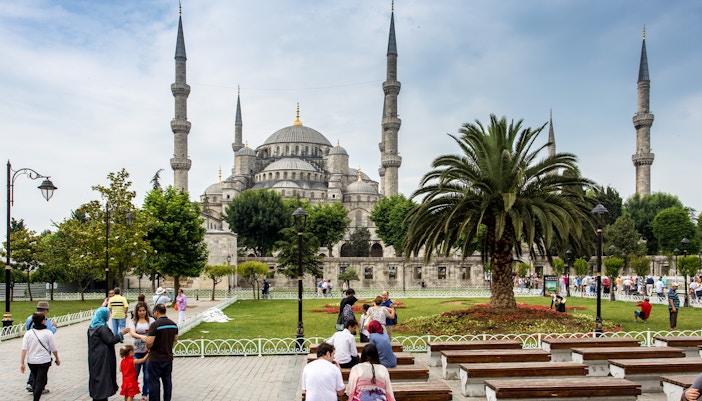
The Blue Mosque in Istanbul is known for its 6 minarets and blue Iznik tiles, which sets it apart from all other mosques in Istanbul. Sultan Ahmed I commissioned the construction of the monument in 1609 and the structure was completed in 1617 under architect Sedefkar Mehmed Agha. The Blue Mosque's interior is a fusion of traditional Byzantine elements with Ottoman fixtures. The mosque is a standing testament to the changing tides of history, surviving the rise and fall of empires, political shifts, and cultural transformations.

Your visual guide to the interiors of the Blue Mosque
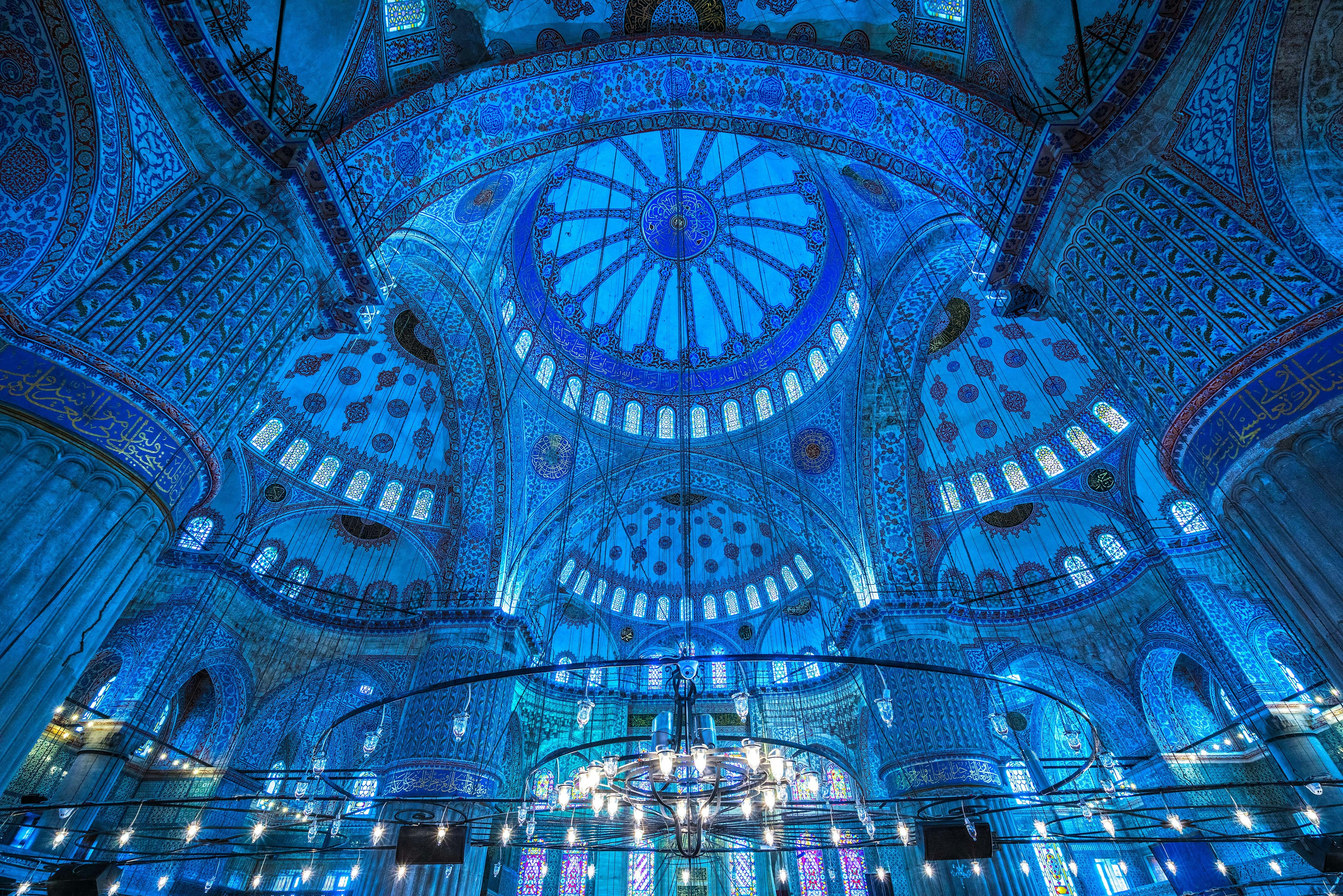
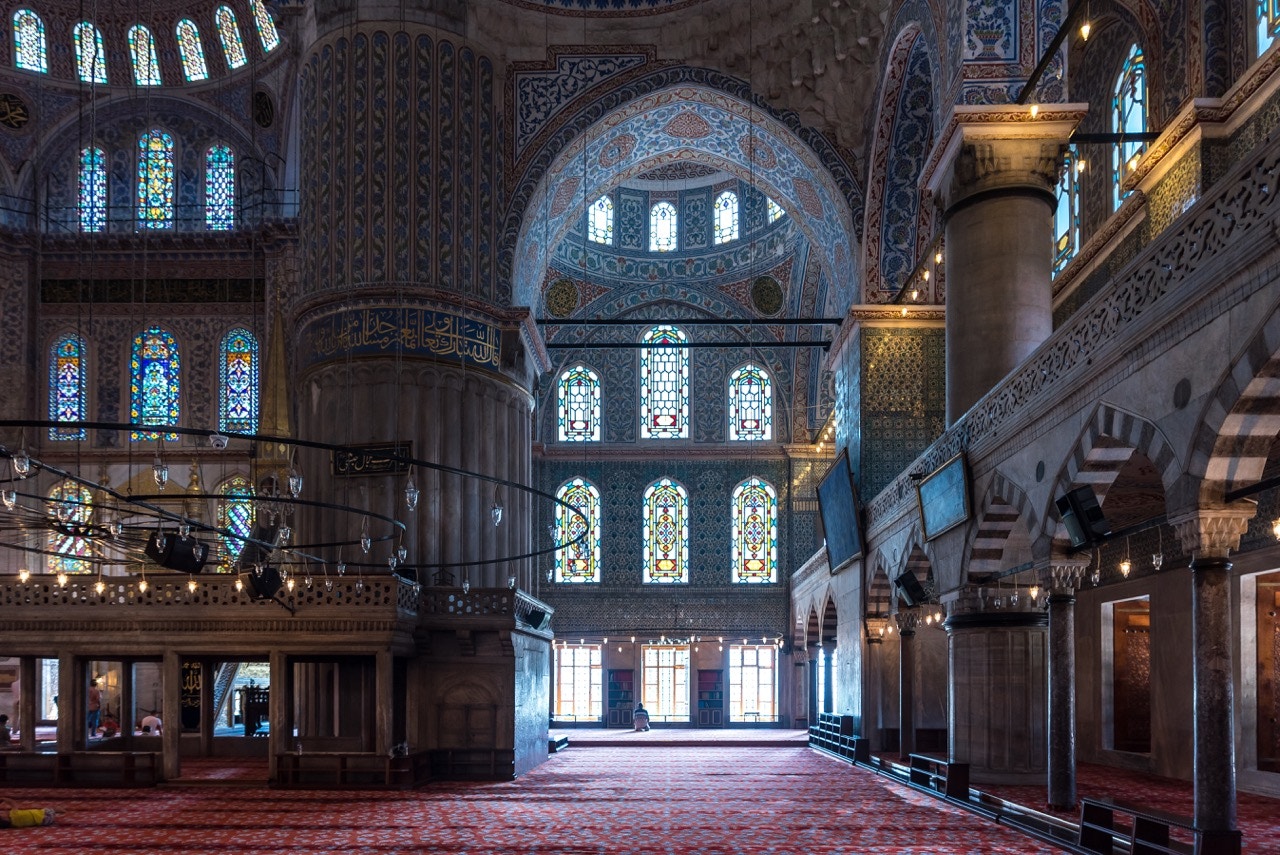
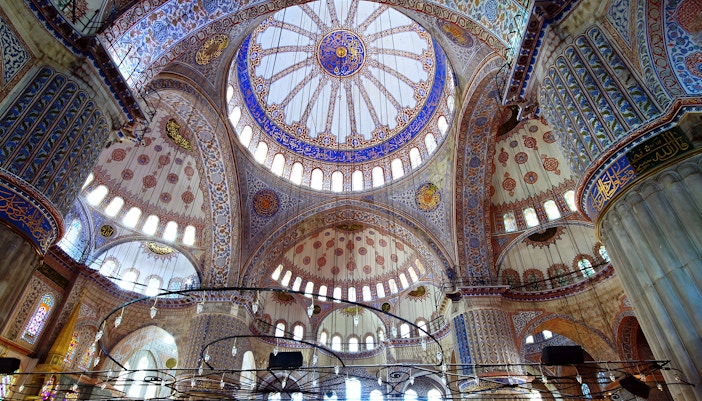
Blue Iznik Tiles on the Blue Mosque ceiling

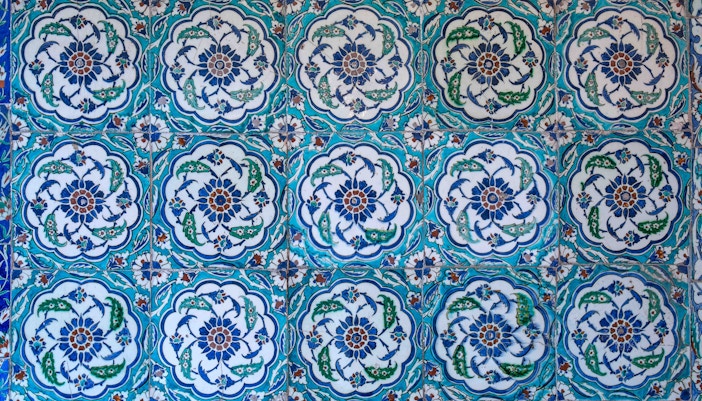
Iznik tiles

Several blue Iznik tiles adorn the Blue Mosque interior, which has given the monument its name.

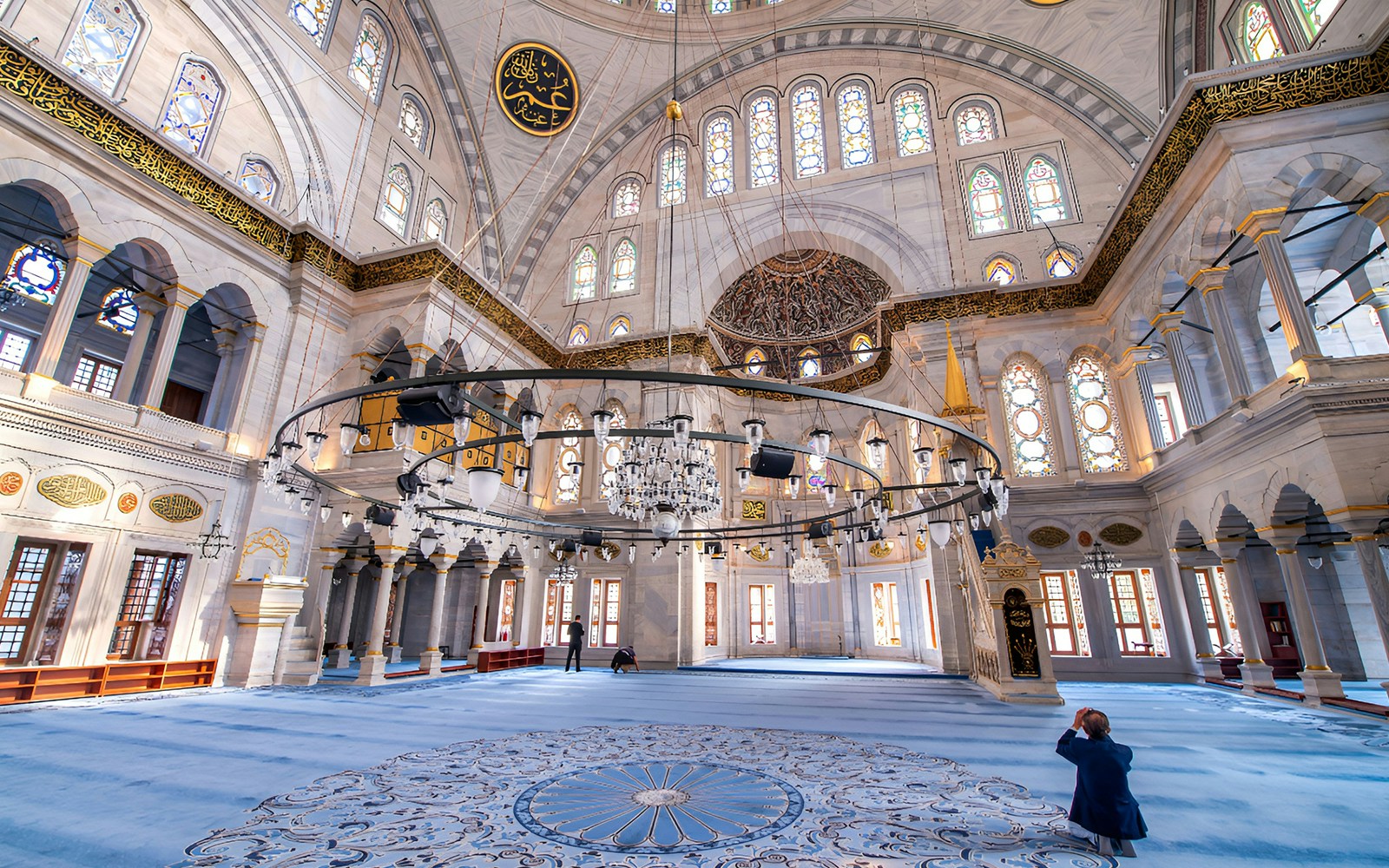
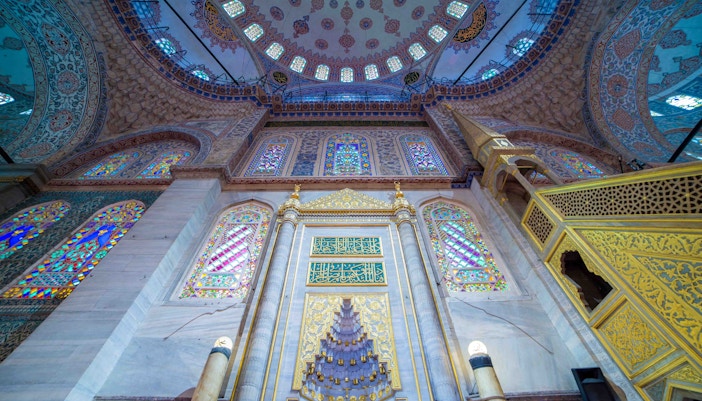
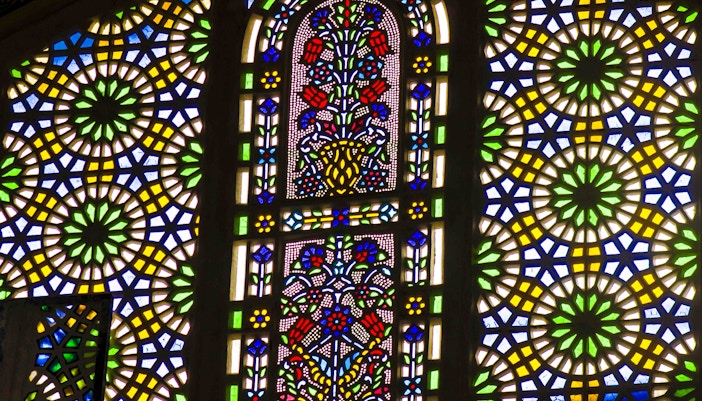
Stained Glass Windows at the Blue Mosque
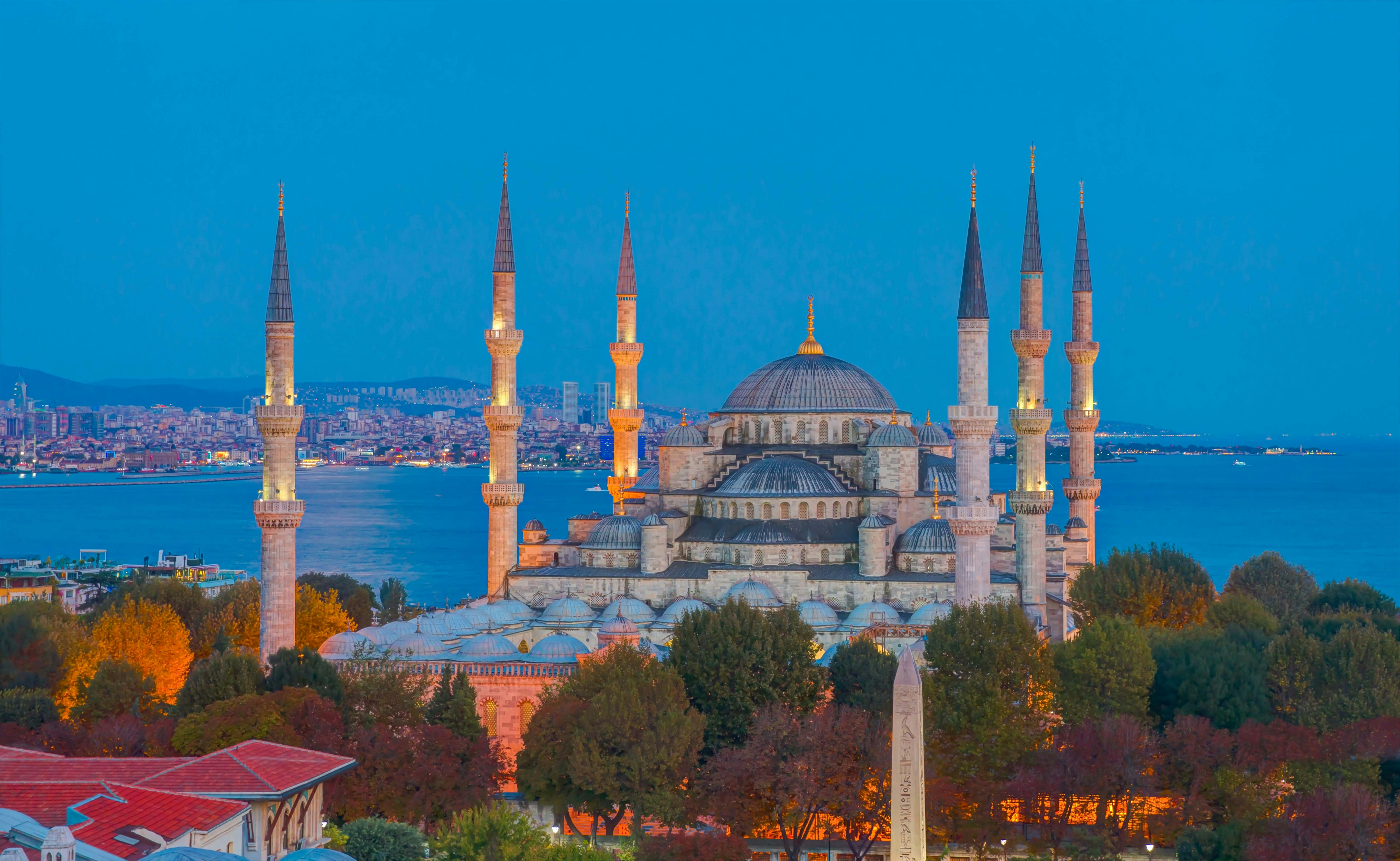
The Minarets at the Blue Mosque
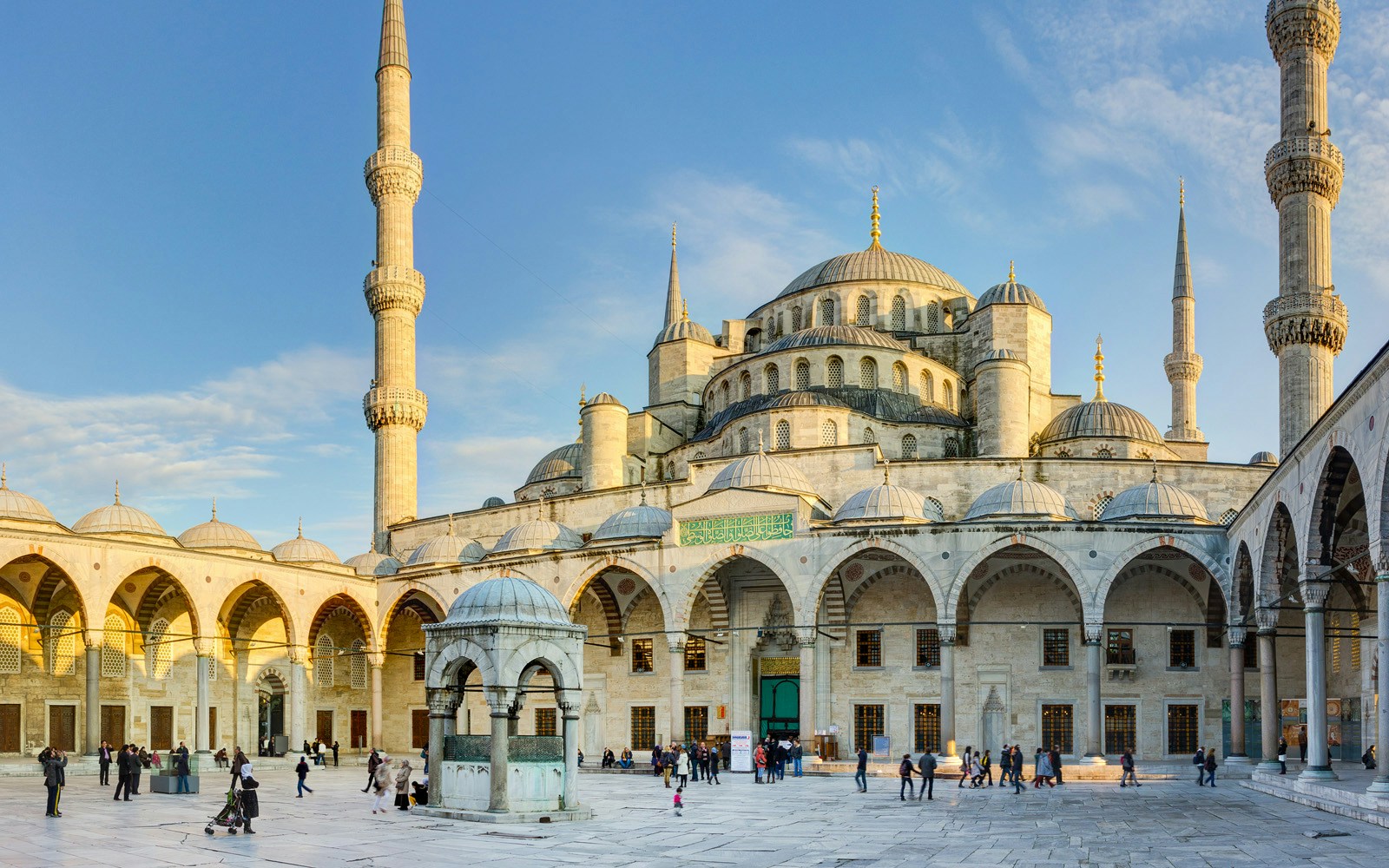
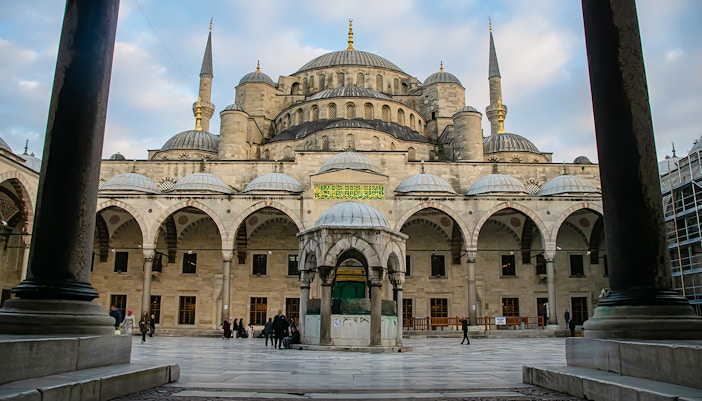
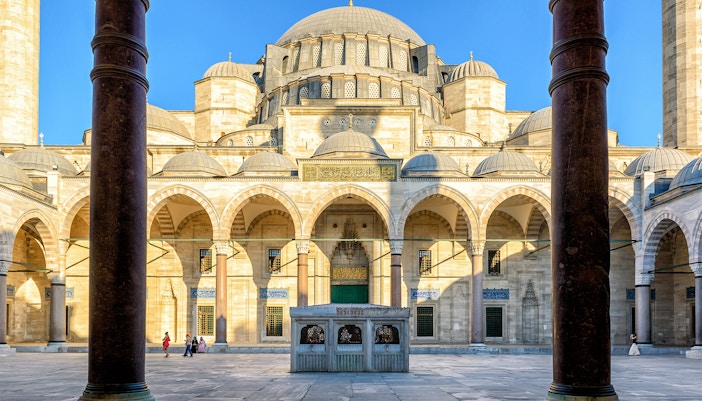
The Courtyard at the Blue Mosque
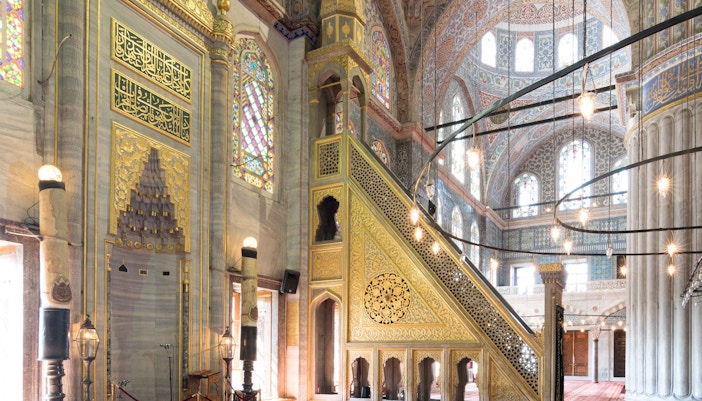
Mihrab and Minbar at the Blue Mosque

What’s inside the Blue Mosque?

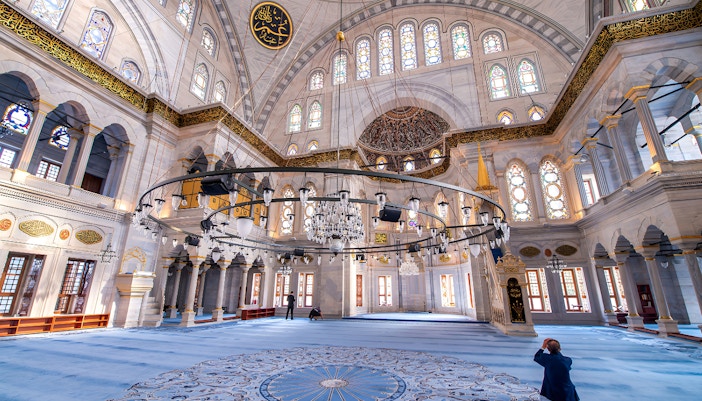
Look out for soaring domes, intricate calligraphy, and exquisite details that showcase the pinnacle of Ottoman artistry inside the Blue Mosque in Istanbul. As you step inside the Sultanahmet Mosque, the vast prayer hall unfolds before you bathed in a soft, ethereal glow.

Iznik tiles

The Blue Mosque interiors are filled with İznik tiles. These tiles adorn all its walls, pillars, and domes. These hand-painted tiles feature intricate floral patterns, geometric designs, and calligraphy.

Grand Dome

The Blue Mosque interior features a central dome that rises high above the prayer hall. It is supported by four large columns and adorned with intricate geometric patterns and calligraphy.

Minbar

The minbar is a pulpit from which the imam delivers sermons. Look out for the detailed calligraphy on its surface and its exquisite craftsmanship. It is a significant symbol of the mosque’s religious purpose.

Mihrab

The mihrab is a beautifully decorated niche in the wall indicating the direction of Mecca, which is the focal point for Muslims during prayer. The mihrab inside the Blue Mosque features intricate tilework, calligraphy, and ornate details.

Royal kiosk

The Royal Kiosk inside the Blue Mosque consists of a platform, a loggia, and two retreat rooms. It also has its own mihrab, including a jade rose and gilt decorations. The Kiosk is situated at the southeast corner of the mosque.

Prayer hall

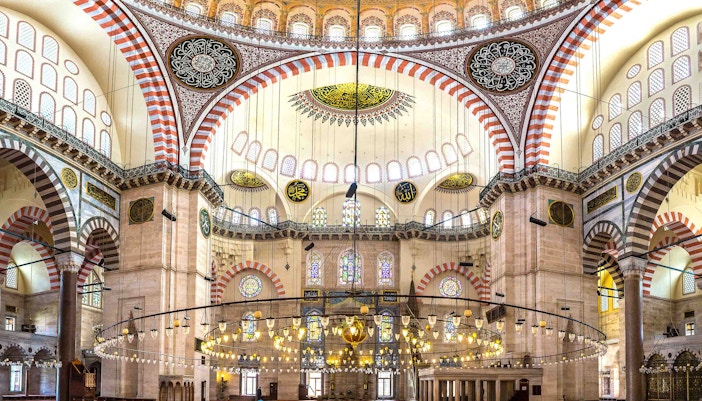
The spacious prayer hall inside the mosque has several large and semi-domes, creating a sense of depth and grandeur within the monument. Walk among the domes and appreciate the harmonious blend of light, space, and design among the domes.

Stained glass windows

The Blue Mosque's interior is adorned with stained glass windows that filter soft, colorful light into the space. It is a sight to behold during the early golden hours. These windows also enhance the aesthetic appeal of the mosque.

Calligraphy

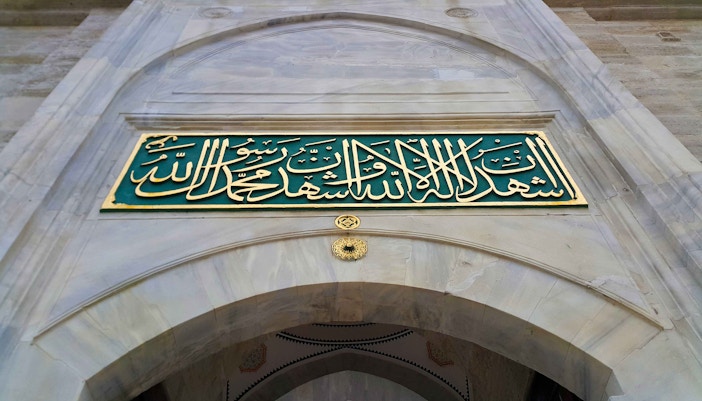
Almost all the walls, arches, and domes inside the Blue Mosque are covered in intricate scripts, verses from the Quran, and other Islamic inscriptions. You will also find other examples of stunning Arabic calligraphy throughout its interiors.

Courtyard

Step outside and enjoy walking through the spacious courtyard surrounding the Blue Mosque. You can take a moment to appreciate the beautiful domes and minarets and soak in the overall grandeur of the monument from the outside.

How to get inside the Blue Mosque?

You do not need to purchase entry tickets to enter the Blue Mosque. It welcomes visitors free of charge throughout the year. However, if you want to hear interesting anecdotes, and history snippets, and delve deeper into the rich cultural heritage of the mosque, we recommend booking Blue Mosque tours. An expert English-speaking tour guide will take you around the mosque and share interesting stories about its origination and journey through the years. The tour also includes a walk through the Old City surrounding the monument.

Plan your visit to the Sultanahmet Mosque

Tips to note when visiting the Blue Mosque in Istanbul

  • Remove your shoes: Since Blue Mosque is an active mosque that welcomes worshippers as well as visitors, make sure to remove your shoes before entering the sacred space. You can leave your shoes at the entrance or carry them in a plastic bag. 
  • Adhere to the dress code: When visiting the Blue Mosque, wear clothing that covers your shoulders and knees. Both men and women must adhere to this dress code. Women must also cover their heads. 
  • Maintain silence: While the mosque is always bustling with tourists and worshippers alike, you must not make loud noises or run around its courtyards. Avoid using mobile phones inside its premises. Maintain the serenity of the sacred space. 
  • Avoid flash photography: Please do not bring commercial photography equipment like tripods and flashes inside the Blue Mosque. Such flash photography could disrupt other visitors. Also, never click pictures of people praying inside the mosque.
  • Avoid touching the monument: Do not lean against the walls, as it may damage or wear away the intricate tilework, featuring floral designs and calligraphy. Do not bring outside food or drinks inside the mosque or spill anything within its walls. 
  • Reach early or stay late: Being an architectural marvel in Istanbul, the Blue Mosque receives tons of visitors throughout the year. To enjoy comparatively lesser crowds, you have to reach early in the morning or near dusk. 
  • Check prayer times: Visitors are not allowed to enter the mosque during prayer times and noon prayers on Friday. Plan your visit accordingly to ensure that you do not have to wait for too long outside the mosque.

Which Blue Mosque entrance to use?

Frequently asked questions about what's inside the Blue Mosque

Inside the Blue Mosque, you will find a breathtaking display of İznik tiles, a grand prayer hall with a central dome, intricate calligraphy, stained glass windows, and a serene atmosphere.

More Reads

Blue Mosque opening hours

Book Now

About the Blue Mosque

Book Now

Blue Mosque history