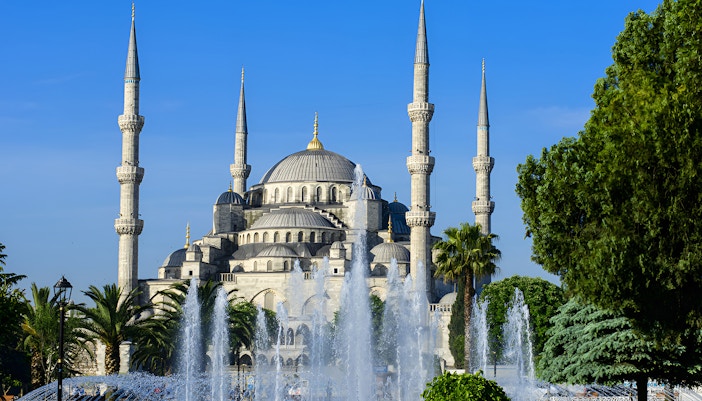
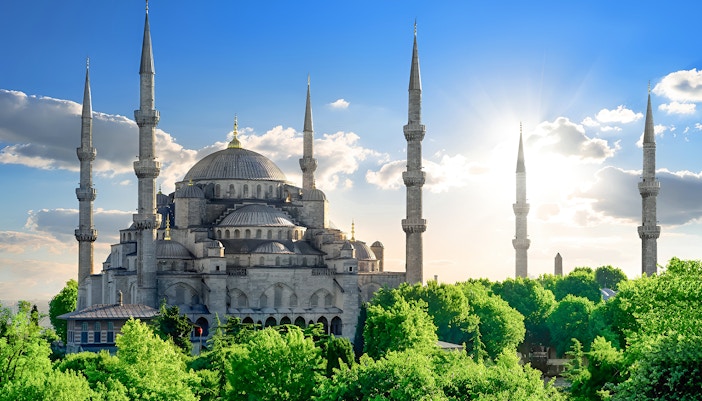
The Blue Mosque is not the official name of the iconic landmark. It is originally called the Sultan Ahmed Mosque, named after Ahmed I, the Sultan of the Ottoman Empire from 1603 to 1617. He commissioned its construction in 1609, thus the name Sultan Ahmed Mosque. His tomb is situated on the northern side of the mosque facing Sultanahmet Park.
9 interesting facts about the Blue Mosque in Istanbul
Blue Mosque | A world-renowned architectural marvel
The Blue Mosque, with its intricate Ottoman design and blue tiles, captivates visitors throughout the year. Built in the 17th century, its six minarets and ornamental facade symbolize Ottoman splendor. When visiting the mosque, immerse yourself in the serene atmosphere and foster a deeper understanding of the history and cultural relevance of the Blue Mosque.
Interesting facts about the Blue Mosque
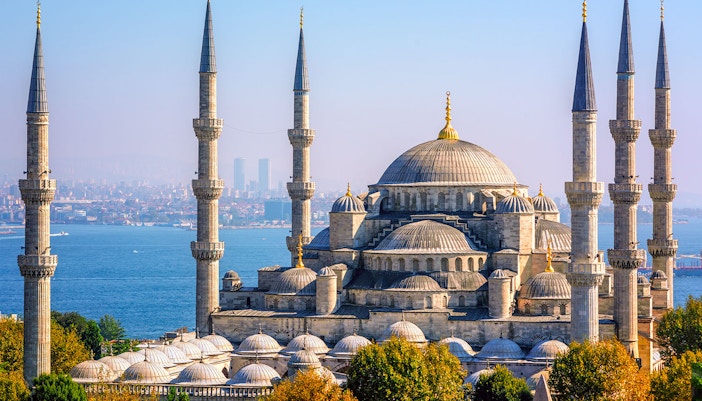
Named after Sultan Ahmed I
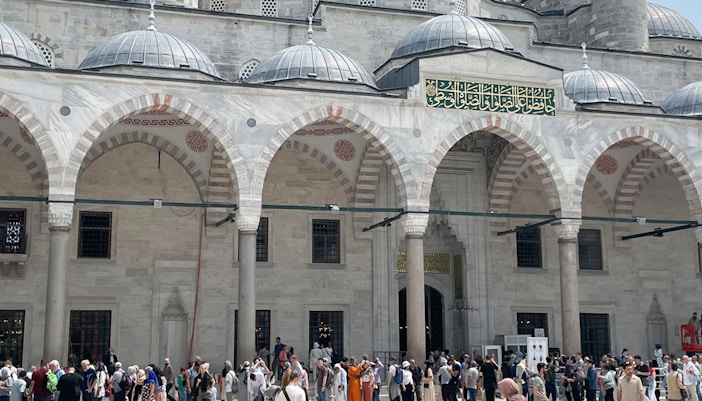
Built to outshine another architectural marvel
Sultan Ahmed’s goal was to surpass the grandeur of the Hagia Sophia, leading to the mosque's impressive scale and intricate details. He wanted to showcase his piety, mirroring his Ottoman ancestors. He actively participated in and oversaw the mosque's construction, even working as a laborer on its first day. It is believed that the construction cost exceeded 180 million akçes.
Construction involved a controversial decision
At just 19 years old, Sultan Ahmed I started building the mosque, sparking criticism from Ottoman scholars and the public. Unlike previous sultans who used war spoils for mosques, Sultan Ahmed used treasury funds due to military setbacks against the Habsburg Monarchy and Persia. Construction began in 1609 on the former Byzantine palace site, symbolically facing Hagia Sophia and the Hippodrome.
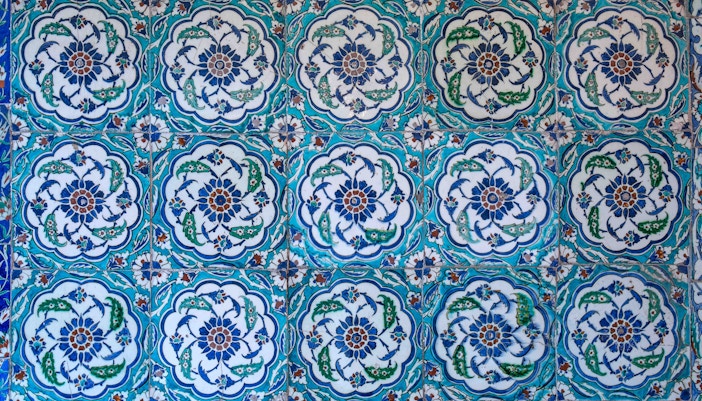
Blue Iznik tiles gave it its iconic name
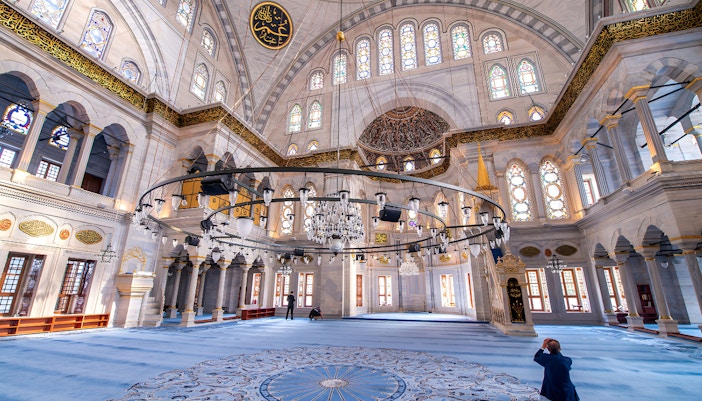
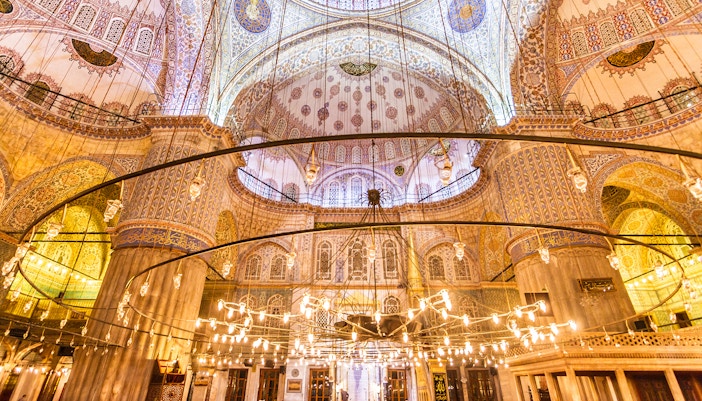
The mosque boasts around 20,000, turquoise-colored, handmade Iznik tiles along with blue-painted upper levels, creating a mesmerizing interior. The word ‘Iznik’ comes from a popular area during Ottoman rule. Due to the tiles being predominantly blue, the mosque was nicknamed the ‘Blue Mosque’. These tiles showcase intricate floral patterns like tulip designs, cypress trees, roses, and fruits, evoking images of a lush paradise.
Constructed in a historic location
The mosque stands on the remains of the Great Palace of Constantinople, situated in what is now Sultanahmet Square. Originally called the Hippodrome, it was a vast stadium for chariot races. Some monuments from this historic site still stand on the square. The mosque neighbors the Hagia Sophia, creating an iconic skyline that symbolizes the blending of Byzantine and Ottoman architectural styles.
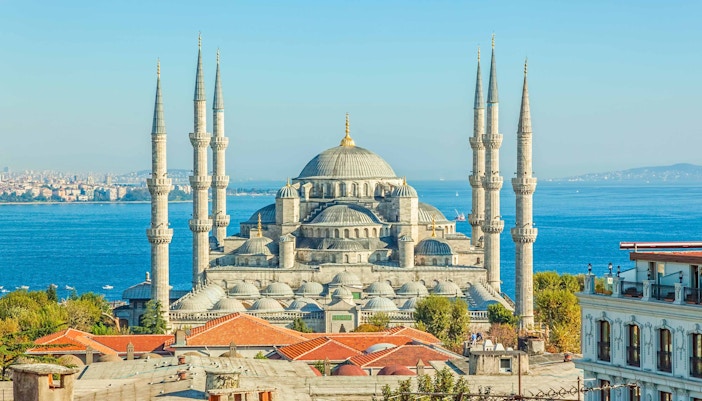
A standing testament to Ottoman architecture
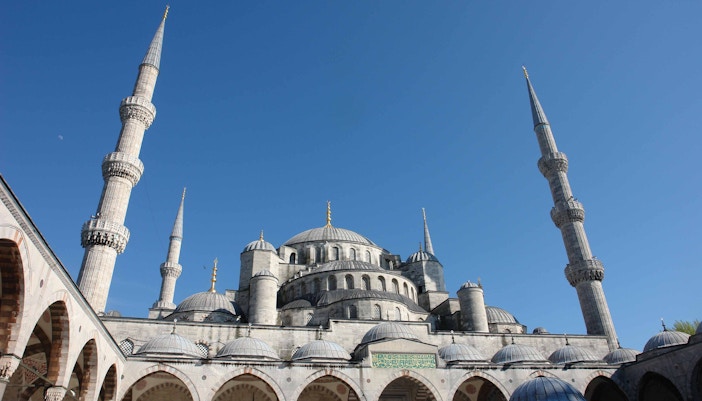
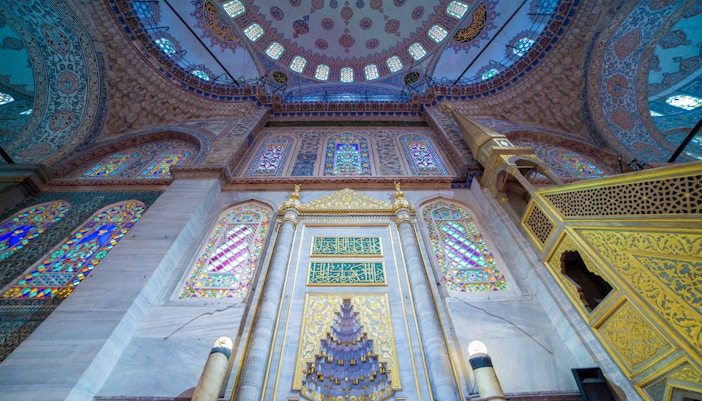
The Blue Mosque, with its iconic six minarets, showcases classic Ottoman architecture in Istanbul. Inside, 20,000 Iznik tiles line the high ceiling, featuring intricate floral patterns. The interior is lit by 260 windows, once adorned with 17th-century stained glass, now replaced with replicas. It also boasts a large dome and eight smaller ones, creating a visually stunning place of worship.
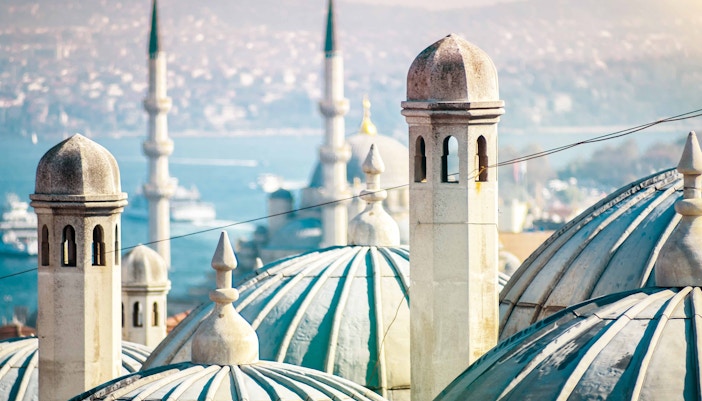
The unique story of the minarets
During the Ottoman rule, most mosques featured one, two, or four minarets. The Blue Mosque’s six minarets, therefore, stirred concern, especially because the Grand Mosque in Mecca was the only one to boast the same number. It is also believed that the Sultan initially wanted golden minarets, but due to budget constraints, architect Sedefkâr Mehmed Ağa built six regular ones, claiming hearing problems.
Not just a mosque
The Sultan Ahmet Mosque was more than just a place of worship; it was a complex with various social purposes. Alongside its religious function, it housed a madrasah, hospital, imaret (soup kitchen), primary school, market, and a tomb for the royal family. A room called 'Muvakkithane' was reserved for astronomers to make calculations for prayer times. Unfortunately, many of these buildings were dismantled in the 19th century.
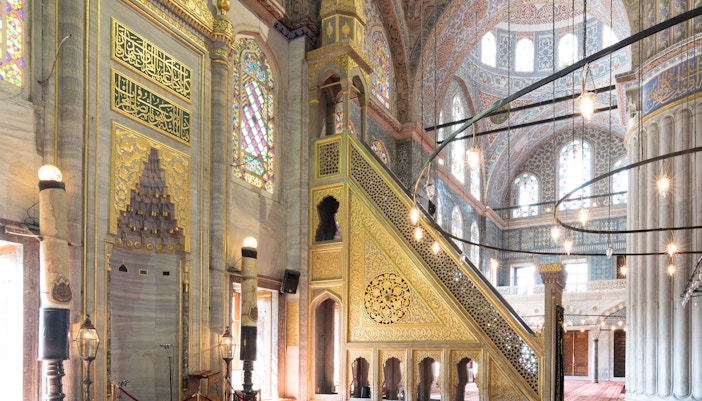
A historic site under UNESCO
In 1985, UNESCO added Istanbul's Historical Areas to its World Heritage List. Located on a peninsula surrounded by the Sea of Marmara, Bosphorus, and Golden Horn, these areas boast masterpieces like the Blue Mosque and Topkapı Palace. These landmarks are recognized for their historical significance, contributing to Istanbul's rich cultural heritage.
Frequently asked questions about the Blue Mosque in Istanbul
The Blue Mosque is renowned for its stunning blue tiles, six minarets, and intricate decorative elements. It is a standing testament to the grandeur of Ottoman architecture, making it a must-visit attraction in Istanbul.
The construction of the Blue Mosque began in 1609 under the supervision of Sultan Ahmed I, and it was completed in 1616.
The Blue Mosque showcases classic Ottoman architecture, characterized by its large central dome, minarets, and intricate tilework.
The Blue Mosque holds historical significance as a major religious site in Istanbul. Its iconic minarets and grand dome reflect the grandeur of the Ottoman Empire. It was constructed in 1609 under the supervision of Sultan Ahmed I.
The Sultanahmet Mosque is called the Blue Mosque due to the iconic, 20,000 handmade blue tiles adorning its interior. The upper levels are also painted blue to complement the tile decor.
You must wear clothing that covers your knees and shoulders when visiting the Blue Mosque. Avoid wearing shorts. Women must also cover their hair with a headscarf. You can get scarves at the entrance if you do not have any.
Photography is allowed in the courtyard but restricted inside the mosque during prayer times to maintain its sanctity. If you are clicking pictures inside the mosque, make sure not to obstruct or disturb anyone who’s praying.
Yes, the Blue Mosque is still active, accommodating worshippers during regular prayer times and special religious occasions.